Charting Global Pricing Discrepancies for Niche Athletic Events Across Platforms
Elena Long · Aug 19, 2026

Charting Global Pricing Discrepancies for Niche Athletic Events Across Platforms
Platform pricing for niche athletic events reveals consistent discrepancies when operators in different regions set their own odds on competitions such as badminton tournaments, squash championships, and handball leagues, and these gaps arise because each bookmaker adjusts margins according to local liquidity, regulatory costs, and customer demand patterns.
Regional Factors Driving Price Differences
Data from multiple international operators shows that markets in Asia often list tighter spreads on table tennis matches while European platforms widen those same lines to account for higher compliance overhead, and observers note that such variations create windows where cross-border comparisons become relevant for those monitoring live feeds. In August 2026 several platforms updated their algorithms after new licensing rules took effect in parts of Eastern Europe, resulting in sudden shifts that widened gaps on lower-profile volleyball fixtures by as much as 4 percent compared with Australian-based exchanges.
Researchers tracking these movements point out that liquidity levels directly influence how quickly prices realign, with smaller events experiencing slower corrections because fewer participants place bets on them, and this lag allows discrepancies to persist longer than they do on major league fixtures.
Data Patterns Across Continents
Figures compiled by industry analysts indicate that North American operators tend to price niche events more conservatively than their counterparts in South America, where promotional activity sometimes compresses margins on rugby sevens and fencing competitions. A report issued by the New Jersey Division of Gaming Enforcement highlighted how state-level taxes affect final odds displayed to users, creating measurable differences when those same events appear on offshore platforms operating under lighter regulatory frameworks.
Technology and Real-Time Adjustments
Automated pricing engines now scan competitor boards continuously, yet the reaction speed varies by event popularity, and niche athletic competitions often receive fewer updates because the underlying data feeds carry lower priority. Platforms in one jurisdiction may incorporate injury reports or weather data faster than others, leading to temporary mismatches that scanners detect across multiple time zones.
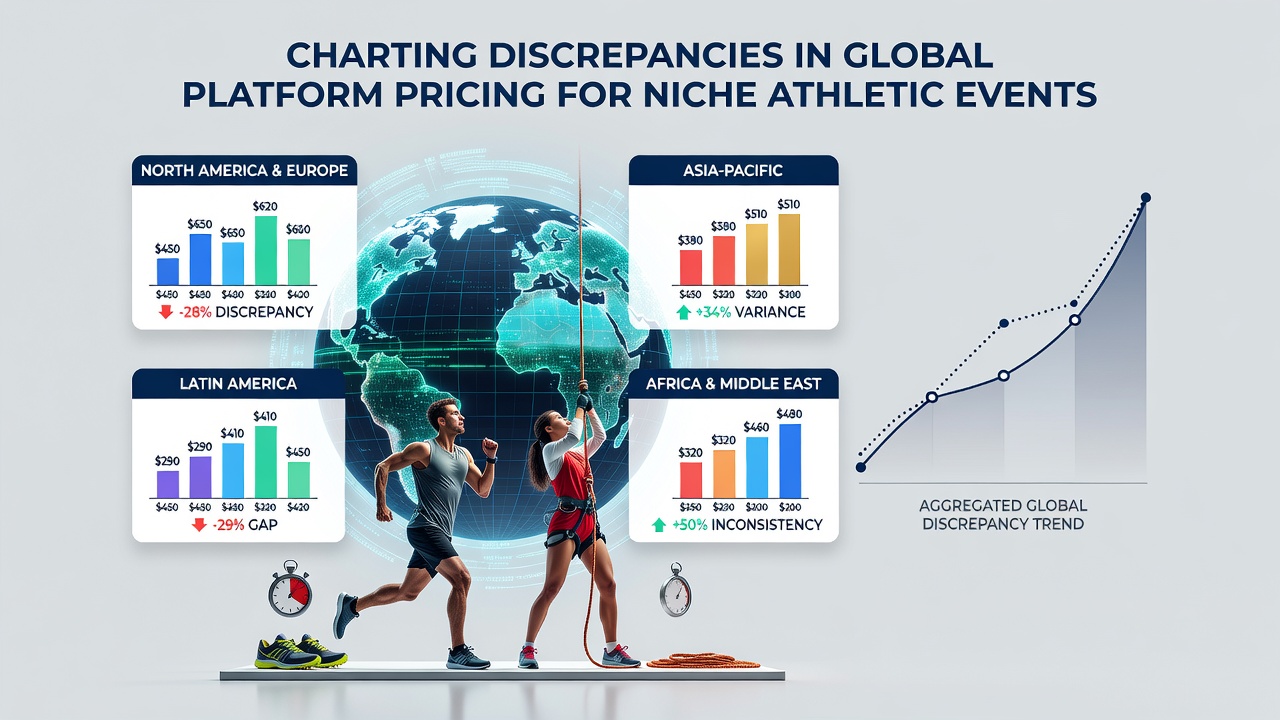
Those who monitor these feeds report that certain Asian exchanges refresh lines on badminton events within seconds of new information, whereas some European bookmakers require manual verification steps that delay adjustments by several minutes, and such timing differences compound when multiple platforms operate on separate schedules.
Impact of Regulatory Environments
Regulatory frameworks shape pricing strategies because operators pass compliance expenses onto margins, and data from the New Zealand Department of Internal Affairs shows how licensing fees correlate with wider spreads on lower-volume athletic events. Platforms based in jurisdictions with stricter advertising rules often maintain higher margins to offset reduced customer acquisition channels, while operators in more permissive markets can afford tighter pricing to attract volume.
Studies from academic institutions tracking global betting trends have documented that these regulatory differences produce persistent, measurable gaps rather than random fluctuations, and the patterns hold across multiple niche disciplines including squash circuits and handball leagues that receive limited mainstream coverage.
Conclusion
Global platform pricing for niche athletic events continues to display measurable discrepancies driven by regional regulations, liquidity variations, and differing update speeds, and ongoing technological improvements may narrow but not eliminate these gaps as operators balance competitive pressures with compliance requirements. Observers tracking the sector note that consistent monitoring across jurisdictions remains the primary method for identifying where such differences appear and persist.